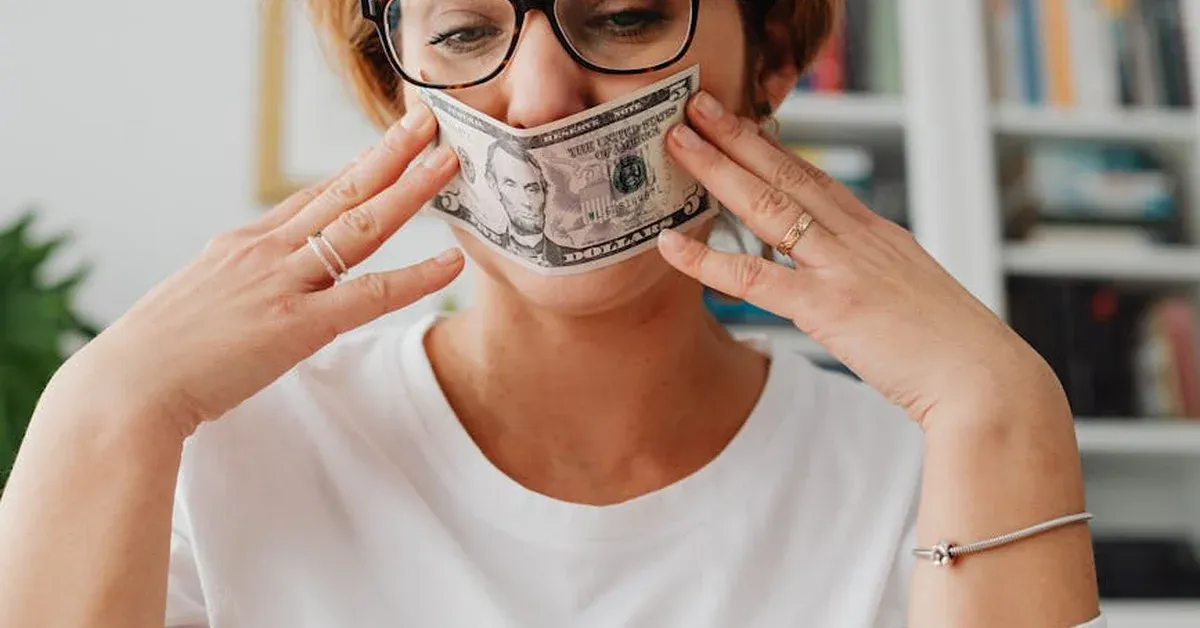
Hollywood’s biggest fear isn’t a box office flop. It’s the creeping realization that art itself is being ghosted by spreadsheets and profit margins. As billionaires acquire major studios and cultural institutions, we’re facing an uncomfortable question: does consolidating wealth enrich our creative industries, or does it usher in a soulless philosophy where algorithms write the stories and artistic merit becomes an afterthought?
The New Studio Lords
Welcome to the era of ultra-rich media moguls. The old studio heads are out. The new titans are financiers, tech magnates, and venture capitalists treating entertainment as just another asset to optimize. Goldman Sachs projects the global creator economy will jump from over 250 billion dollars in 2025 to 480 billion by 2027. That’s a massive amount of creative output now in the hands of very few people.
Industry analysts predict a wave of deals in 2026, mostly smaller acquisitions focused on technology and advertising capabilities rather than passion projects. When every creative decision gets filtered through algorithms and balance sheets, what happens to the unpredictable spark that defines real art? It’s a Robin Hood moment in reverse: the rich are buying the castles while the villagers scramble to tell their own stories.
Independent Creators Fight Back
Beneath these high-stakes acquisitions, a different story is unfolding. Independent creators are building their own production companies, publishing imprints, and media ecosystems. Legal experts say strong entity formation and protected intellectual property are now essential, not optional. This parallel universe of talent, fueled by direct audience engagement, provides a compelling alternative to top-down consolidation.
Hollywood insiders are tired of geriatric CEOs making all the decisions. They point to a thriving feature film spec market as proof that authentic storytelling survives when given a chance. Creativity resists being fully commodified. When the focus shifts too heavily to automation and efficiency, it often caps innovation at amateur level. Your AI Overlord Is Only an Amateur because real innovation requires a messy, human touch.
When Machines Write Stories
The integration of AI into creative workflows complicates this power shift further. Big studios see AI as a cost-cutting tool. Many artists and writers see it as a threat to their craft. Games Workshop banned AI from all Warhammer creation, choosing to protect human artists over algorithmic efficiency. Games Workshop Bans AI from Warhammer Creation shows this resistance isn’t isolated.
This battle directly impacts arts education. If major creative outlets are controlled by people who dismiss humanities as soft skills, and AI can generate passable content, why invest years in specialized training? The message is chilling: artistic degrees might become worthless, replaced by prompts and algorithms. Yet authenticity still resonates. Your Grandma’s Skills Are the New Status Symbol because tangible human creation means something different in a digital world.
Experts tracking 2026 media trends note content creators becoming Hollywood power players alongside deepening AI integration. The question isn’t whether AI will be used, but how, and whether human creativity can maintain its central role.
Fighting for the Soul of Art
The billionaire script for Hollywood risks sidelining what makes film and art compelling: human stories told by humans for humans. The fear isn’t just job losses. It’s cultural homogenization, a world where every narrative gets focus-grouped into bland palatability. When platforms and narratives are dictated by a narrow elite, diversity of voices suffers.
Some might read Atlas Shrugged and see billionaire acquisitions as creative freedom through market forces. Others see an Ayn Rand fantasy disconnected from artistic reality. The truth is messier. As we navigate this transition, the entertainment industry must figure out how to re-engage audiences while preserving what matters.
The challenge for 2026 and beyond isn’t just surviving economic pressures and AI explosions. It’s ensuring the soul of storytelling doesn’t get lost. The real power shift won’t be in who owns the most studios, but in who nurtures the next generation of storytellers and whether independent, un-ghosted creativity can thrive. This is a silent war for the heart of our culture, and the ghost of what we might lose haunts every decision being made today.