Think male body image issues stem from cultural beliefs? New research suggests otherwise. A recent study reveals that weight, not faith, drives penis appearance anxiety in men - even among conservative Protestant groups previously thought to struggle more with body image due to religious factors. For years, researchers noticed that conservative Protestant men reported higher rates of penis size dissatisfaction. Many assumed this connected to religious teachings or cultural attitudes about masculinity. But digging deeper revealed a simpler explanation: body mass index (BMI).
The Hidden Connection Between Weight and Perception
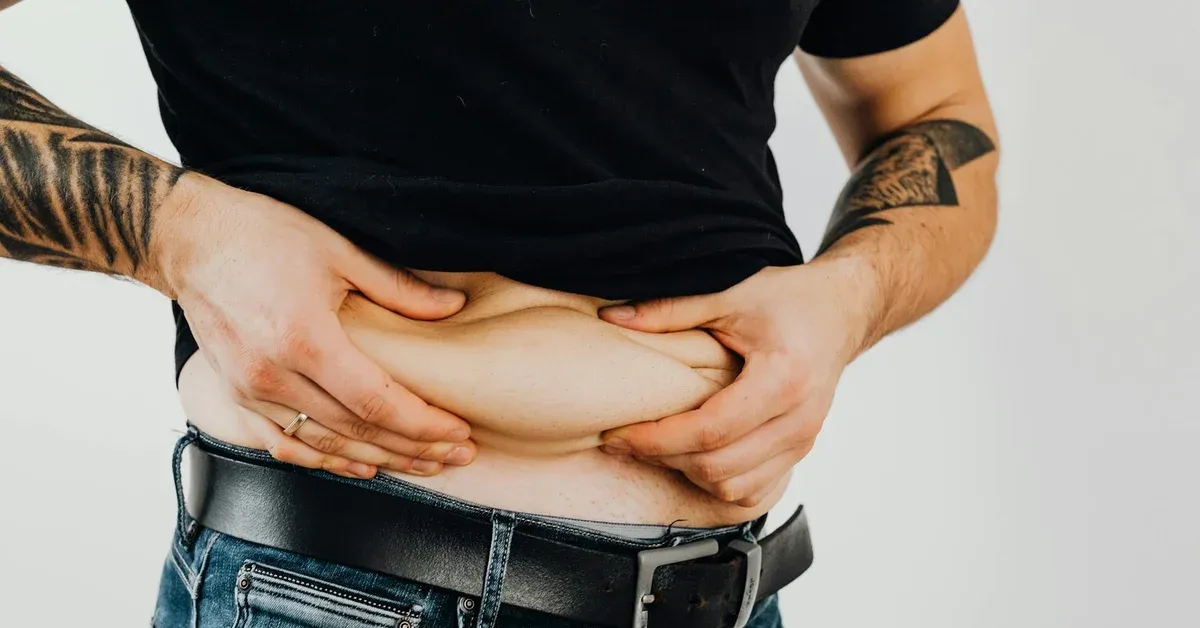
The study found that men with higher body mass were significantly more likely to feel unhappy with their penis appearance. This isn’t about actual anatomical differences. Excess body fat, especially around the pubic area, can visually obscure part of the penis, making it appear smaller than it actually is.
This discovery shifts our understanding completely. Instead of complex cultural factors, we’re looking at basic physics and visual perception. When fat tissue covers the base of the penis, it creates an optical illusion that affects how men see themselves.
Why This Matters for Body Image Research
This finding matters because it changes how we address male body image concerns. For many men, penis size connects directly to their sense of masculinity and overall body confidence. When weight distorts this perception, it can cause real psychological distress.
The research shows that conservative Protestant men aren’t struggling because of their faith - they’re struggling because they’re more likely to have higher BMIs. It’s like worrying you’re getting shorter when you’re actually just sinking into sand. The problem isn’t your height; it’s what you’re standing on.
From Online Commentary to Scientific Validation
This connection between body weight and penis appearance has sparked discussions across various online platforms. Some digital forums have noted, sometimes bluntly, that the issue isn’t penis size but weight affecting visual presentation.
The research, detailed in a comprehensive study, has broader implications for public health approaches. Instead of focusing on cultural or psychological interventions for specific religious groups, addressing male body image might be more effective through general health and wellness programs.
These body image concerns can also contribute to broader anxieties about sexual satisfaction and intimate relationships, making the findings even more relevant for men’s overall well-being.
A New Approach to an Old Problem
This research offers a refreshing perspective on male body image issues. It suggests that for many men worried about penis appearance, the solution might be more straightforward than expected: maintaining a healthy weight.
Rather than complex psychological interventions, simple lifestyle changes - better diet, regular exercise, weight management - could significantly improve how men perceive their bodies. It’s a reminder that sometimes the most effective solutions are also the most practical ones.
The study doesn’t dismiss the real distress men feel about their bodies. Instead, it offers hope by pointing toward actionable solutions. For men struggling with penis appearance concerns, the path forward might lead through the gym and kitchen rather than the therapist’s office.
This shift from abstract psychological explanations to concrete physical factors represents better science and better outcomes for the men dealing with these concerns.