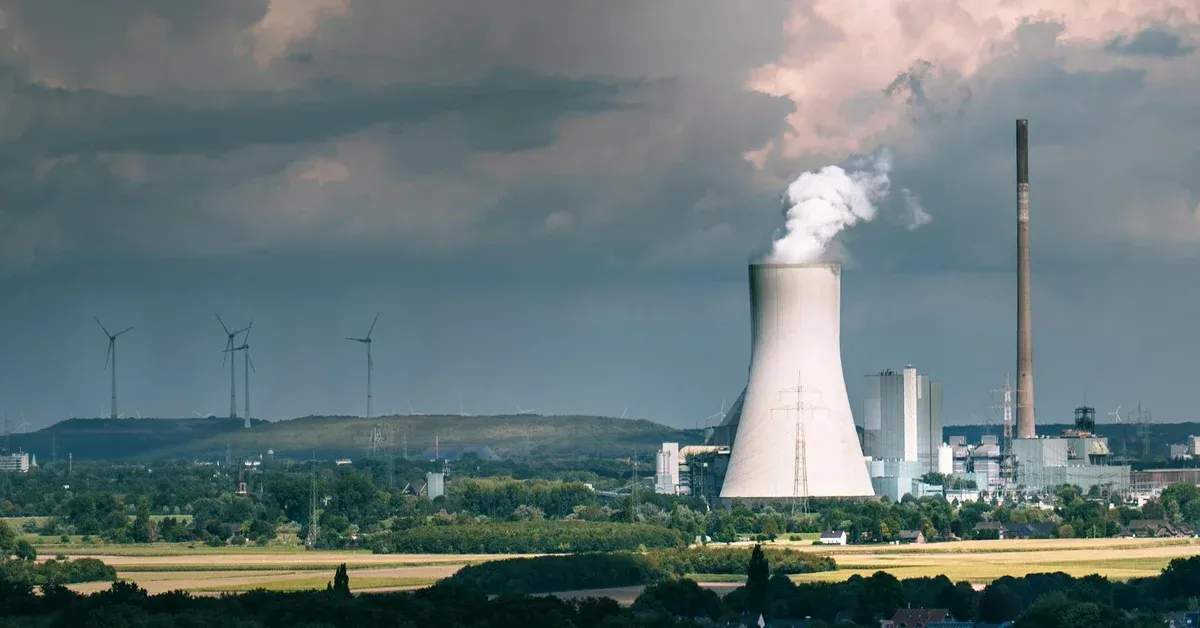
The future of artificial intelligence is here, and it comes with a massive hidden price tag. While everyone talks about AI’s amazing capabilities, few discuss what powers this technology: enormous data centers that consume incredible amounts of electricity and water. This isn’t a future problem. The growing energy costs of AI data centers are already affecting communities and will likely show up on your monthly bills soon.
The Grid’s Silent Scream
This unprecedented demand puts enormous strain on our existing power grid, which wasn’t designed for this. States like Texas, already facing grid problems, are in crisis mode. The Electric Reliability Council of Texas (ERCOT) recently called the “disorganized integration” of new, massive data center loads the biggest growing reliability risk. More than half of Virginia’s electricity comes from natural gas, and Virginia hosts the largest concentration of US data centers. This means AI’s growth directly increases greenhouse gas emissions and contributes to climate change. Energy analysts warn that the shift to cleaner energy sources like nuclear isn’t keeping up with how fast these facilities are being built.
Thirsty Servers, Drained Communities
Beyond electricity, these massive server farms gulp down another precious resource: water. Keeping thousands of constantly running, heat-generating processors cool requires huge amounts of water, mainly through evaporation-based cooling systems. These systems run either around the clock or during hot days, and they’re becoming more common.
The impact on local communities is serious. In Northern Virginia, potential data center expansion could nearly double current water use levels. Google’s facility in The Dalles, Oregon, nearly tripled its water use between 2017 and 2022, with more centers planned for the area. Most concerning, OpenAI is building a sprawling 1.2-gigawatt data center campus in Abilene, Texas, a region already dealing with what hydrologists call a “water-energy nexus crisis.” Local water supplies, often already stressed by farming and urban growth, simply can’t handle this added, massive drain. This threatens to leave communities literally without enough water. The rush to build these centers means local governments often give special rates and resources, leaving citizens to pay the bill or face water shortages.
The Big Tech Reckoning
Tech companies know about these mounting energy costs and resource challenges, even as they continue aggressive expansion. Some are investing in advanced chip and data center designs to reduce water use, but these innovations can’t keep up with the sheer scale of new infrastructure being built. Others are exploring dedicated power sources, including plans to start up private nuclear power plants. This move offers a cleaner energy source but highlights the extraordinary power needs and sets a new precedent for corporate energy independence.
However, relying on nuclear power brings its own challenges, including the need for highly skilled workers and strong security measures. America’s existing nuclear infrastructure already faces significant hurdles, as recent events have shown. Learn more about the potential problems of managing this critical energy sector: Nuclear Power’s Brain Drain Crisis: How Mass Firings Could Destabilize U.S. Energy Security.
The reality is clear: the AI boom isn’t just a technological wonder; it’s a massive infrastructure project with real environmental and economic consequences. While the algorithms get smarter, the basic physics of powering and cooling them remains a real-world problem. The promise of AI is huge, but the true cost, both environmental and financial, is quickly becoming something we all need to understand and prepare to pay. As one analysis puts it, the surge in electricity demand from data centers could more than double between 2022 and 2026 alone, showing the scale of the challenge. This escalating demand, outlined by the International Energy Agency, suggests a system-wide issue that can’t be ignored. The data is clear: the energy and water demands of AI aren’t a glitch in the system, but a core feature, and MIT Technology Review has analyzed the numbers, showing a clear path to increased emissions if we don’t act. We need a conversation that goes beyond the hype and addresses the very real, very expensive reality of our AI future.