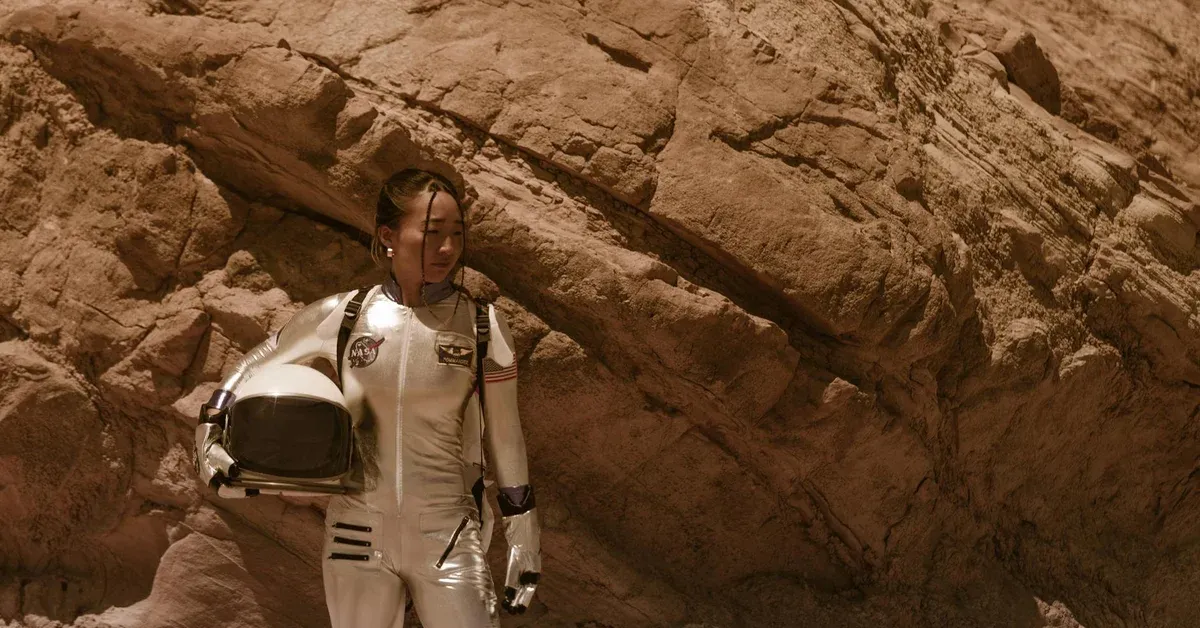
A violent incident at a remote Antarctic research station shows we might not be ready for Mars missions. The real problem isn’t building rockets or solving technical challenges. It’s figuring out how humans behave when they’re stuck together in isolation for years.
The incident at South Africa’s SANAE IV base, reported by Supercluster, reveals serious gaps in how we screen people for extreme isolation. If crews can’t stay calm on Earth’s coldest continent, what happens when you put them in a small spacecraft for years, millions of miles from home?
Antarctica Tests Human Limits
Antarctica works like a practice run for Mars. Crews face months of darkness, freezing temperatures, and complete isolation from the outside world. A psychology professor explains that these conditions disrupt “all of the subsystems of your body” and can bring out the worst in people.
This extreme isolation affects basic human needs. Research in Acta Astronautica shows that deep-space missions create conditions completely different from what humans evolved to handle. The challenge isn’t just keeping equipment running. It’s keeping people sane and working together when everything around them tries to break them down.
Psychologists studying these incidents worry about how we choose crew members. Their thinking is simple: if someone loses control during a short Antarctic stay, imagine what could happen during a multi-year Mars journey. As experts put it, “you get out of it what you take into it.” Any psychological weakness will get worse under the stress of deep space.
Our Screening Methods Don’t Work
How do you test for someone who might break down a million miles from Earth? Current psychological screening works for regular situations, but it can’t predict how people will react to completely new forms of isolation and stress.
Even basic anxiety tests have poor accuracy rates, as research from hecknews.com shows. Now imagine trying to predict behavior for a mission where every person matters and any conflict could destroy everything. We need to find people who can handle not just technical problems like equipment failures, but also psychological ones like loneliness, boredom, and the overwhelming feeling of being lost in space.
The problem isn’t finding good people. It’s creating tests that can actually predict how someone will behave after years in isolation. Mission training covers many technical skills but often skips the psychological preparation that determines whether a mission succeeds or fails.
We Need Better Mental Preparation
This Antarctic incident shows we need to completely change how we think about space mission psychology. We can’t just eliminate obviously unstable people. We need to build teams that can survive both technical disasters and emotional breakdowns.
This means better psychological screening, including practice missions in Mars-like environments that copy the isolation and stress as closely as possible. Researchers are developing new selection methods that focus on team dynamics, conflict resolution, and empathy under pressure.
The future of space exploration depends on finding crews whose minds are as strong as their spacecraft. Getting this wrong doesn’t just mean mission failure. It could set back our dreams of reaching other planets for decades.