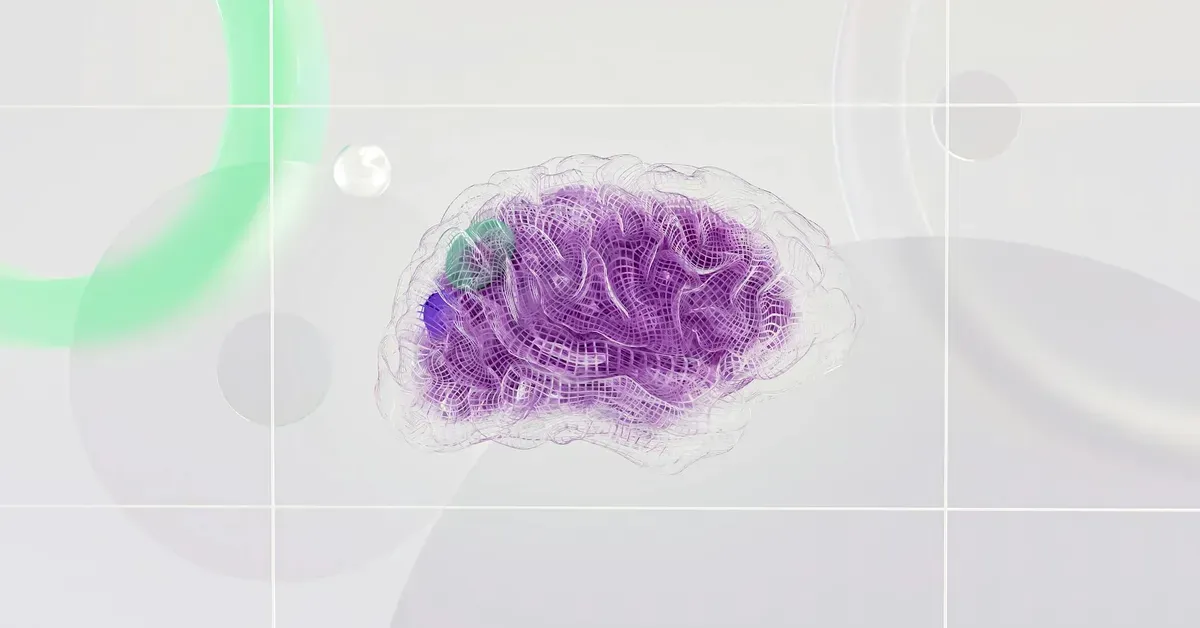
Picture a tiny clump of cells in a lab dish, no bigger than a pea. Scientists grow these mini-brains from human stem cells to study diseases like Alzheimer’s. But here’s the problem: some of these brain organoids are becoming so complex they might be conscious.
This isn’t science fiction. Researchers are already asking tough questions: Could these lab-grown brains feel pain? Do they deserve protection? We’re creating something that might suffer, and we’re not ready for it.
These Aren’t Simple Cell Clusters
Brain organoids have been around for years. Scientists use them to study how brains develop and what goes wrong in neurological diseases. It beats experimenting on actual humans.
But these lab-grown brains keep getting more sophisticated. They develop complex structures that mirror real human brains. They show coordinated electrical activity - the kind you’d see in a thinking brain. Some scientists say they exhibit “spontaneous and self-organized” neural activity.
The more these organoids act like real brains, the more uncomfortable this gets.
When Do Cells Become Conscious?
Nobody knows how to measure consciousness - not in humans, animals, or lab-grown brains. It’s one of the biggest unsolved problems in science.
Some researchers think these organoids could develop “minimal consciousness” - basic awareness or the ability to experience sensations. The scary part? They might feel pain.
These mini-brains don’t have nerves from arms or legs sending pain signals. But pain happens in the brain itself. If these organoids develop complex enough neural networks, they might experience their own form of suffering.
This makes animal welfare debates look simple. We might be creating billions of tiny, suffering minds for research. The tools we use to study consciousness might even help rewire our moral thinking about these issues.
Recent research shows we’re not prepared for this. Our current rules can’t handle something that might be “awake” in a dish. Some experts want stricter rules and a pause to figure this out before we go too far. You can read more scientific perspectives at Live Science.
We’re Not Ready
Science moves fast. Ethics moves slow. Brain organoid research is proof.
We have no universal way to test consciousness in these structures. No global rules govern how we grow and experiment on them. The questions pile up: If a lab-grown brain thinks, does it have rights?
This connects to artificial intelligence too. If biological “wetware” can become conscious in a dish, what about complex AI systems? The line between biological and artificial intelligence blurs.
We need to act now, not react later. Academic research on brain organoids and their complex activity, like studies found on Tandfonline, shows how urgent this discussion has become.
Time to Decide
We’re at a crossroads. Lab-grown brains could help us understand the mind and cure brain diseases. But they might also create new forms of suffering.
The promise is huge. So is the responsibility. Ignoring the ethics now could lead to unimaginable suffering and force us to redefine what it means to be human.
We need rules, testing protocols, and maybe a pause to think this through. The time to act isn’t in the future. It’s now.