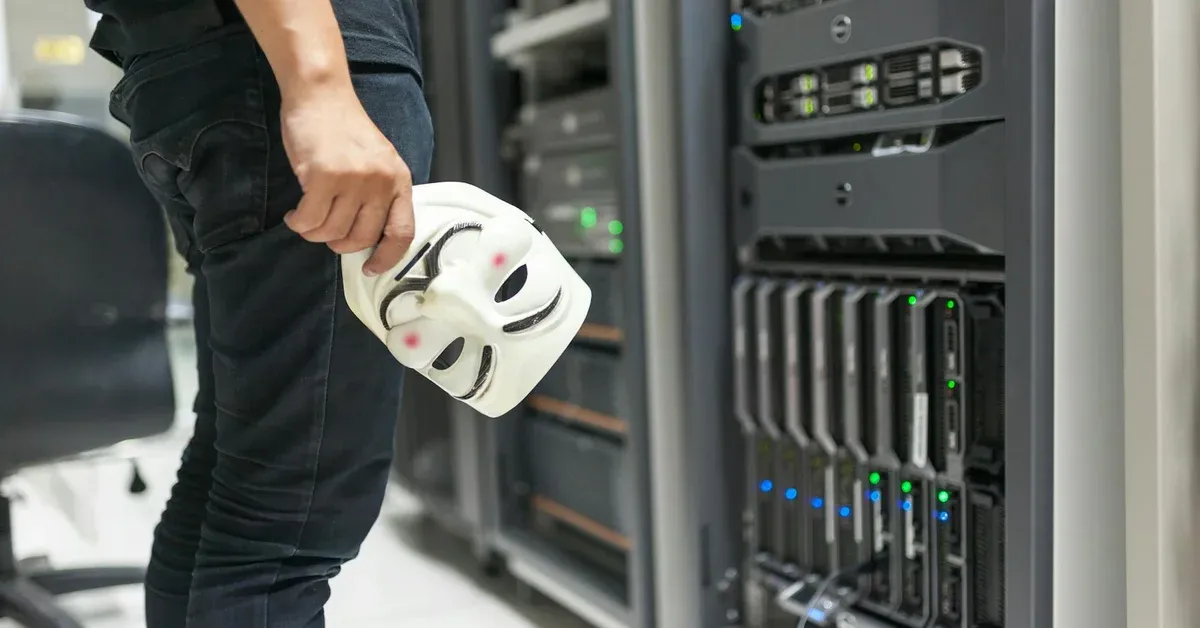
Picture this: you wake up and your homemade music server on a Raspberry Pi is locked down by ransomware. A Reddit user just lived through this nightmare, watching their personal music collection get held hostage. This isn’t just happening to big companies anymore. Even small home projects are becoming targets, and our home networks aren’t as safe as we thought.
Ransomware Is Getting Smarter
Ransomware used to focus on big businesses with deep pockets. Now it’s different. Hackers work together on underground forums, sharing tools and targeting anyone they can reach. They’re not always after huge payouts anymore - they want lots of easy targets. Your Raspberry Pi or smart home device looks pretty appealing when you’re casting a wide net.
How Your Home Server Becomes a Target
The Reddit user’s story shows us the common mistakes that get people in trouble. Weak passwords are often the culprit - people get excited to set up their server and forget to change default login info or pick something too simple.
Another big problem is opening up SSH access to the internet without proper protection. No key-based login, no two-factor authentication - that’s like leaving your front door wide open. Security reports keep pointing to weak credentials and unpatched systems as the main ways attackers get in.
Without a good firewall or VPN setup, your Raspberry Pi becomes low-hanging fruit, especially if you’re running old software with known security holes.
When Your Personal Space Gets Invaded
Losing your music collection hurts more than losing work files. This isn’t about money - it’s about someone breaking into your personal digital space. For many people, a home server represents independence and creativity. Having some faceless criminal lock up your passion project and demand payment feels like a real violation.
It turns something you loved working on into a source of stress. Your safe home network doesn’t feel safe anymore. This trend shows how the line between personal and critical systems is disappearing.
What to Do When It Happens
Don’t panic, but act fast. Unplug the infected device right away so the malware can’t spread to other devices on your network. Then you need to do some serious cleanup: check all your devices, change those default passwords, set up stronger security, and get a real backup system going.
For self-hosting, use a VPN like Tailscale instead of opening ports directly to the internet. Keep your software updated and check your logs regularly for weird activity. The latest ransomware reports stress that prevention beats reaction every time.
The self-hosting movement is great for digital independence, but it means you’re responsible for your own security too.
That Raspberry Pi music server ransomware story should be a wake-up call. As more people try self-hosting and connect IoT devices at home, hackers have more targets to choose from. Good security habits, strong passwords, and staying alert aren’t nice-to-have features anymore - they’re essential. Otherwise, your next weekend project might come with a ransom note you definitely didn’t ask for.