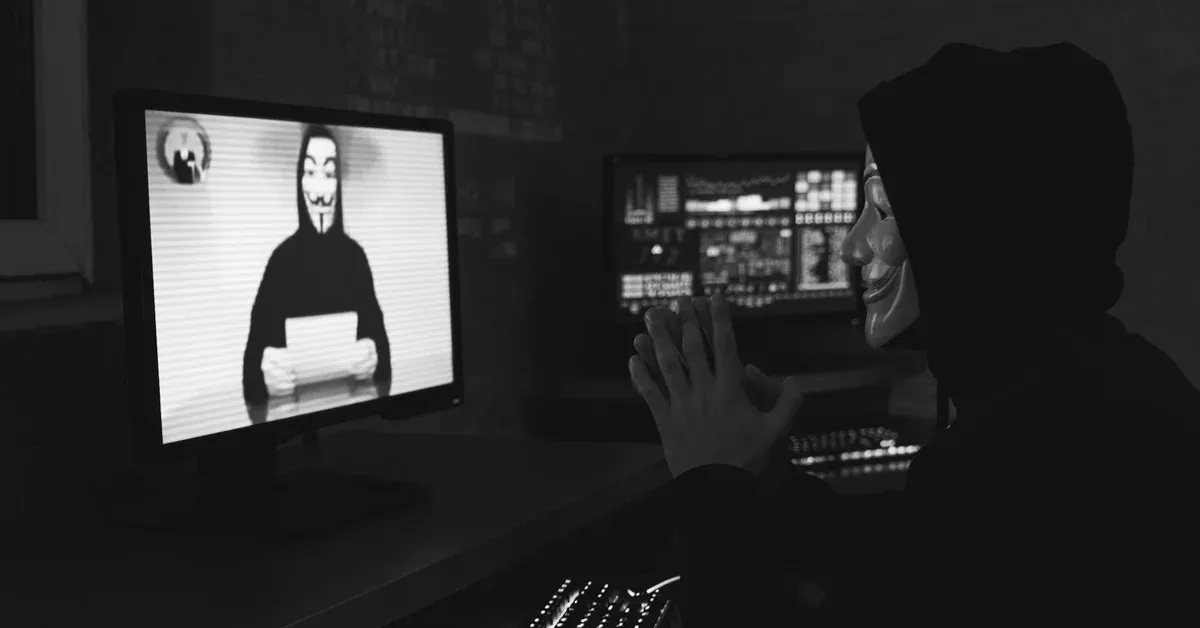
It’s not every day you witness someone wipe hate off the internet in real time. At the recent Chaos Communication Congress in Germany, a hacker called Martha Root did exactly that. Three white supremacist websites vanished mid-presentation, triggering applause and sparking an immediate debate about whether this was vigilante justice or necessary digital defense.
The incident has forced everyone to confront some uncomfortable questions about activism, cyberattacks, and who decides what stays online. While nobody’s mourning the loss of hate sites, the method raises real concerns about power and precedent. When a website disappears this dramatically, the fallout deserves our attention.
The Live Deletion That Stopped the Room
Picture a packed auditorium watching as hate propaganda gets systematically erased. Martha Root, whose name suggests deep system knowledge, ended her talk by exploiting vulnerabilities that let her delete three active white supremacist sites. These weren’t just defacements. The sites, many built on platforms like wordpress, were completely wiped with databases emptied and content gone.
The crowd’s reaction was immediate: shock, awe, and loud applause. It was digital justice delivered with surgical precision. These sites pushed master race propaganda and twisted gender ratio theories designed to spread violence and discord. Watching them disappear felt powerful, even if the ethics remain messy.
When Hacktivists Become Judge and Jury
This live deletion cuts right into the ongoing fight over free speech versus hate speech online. Supporters argue that content promoting violence or discrimination deserves no protection. They see people like Root as necessary disruptors filling gaps where legal systems and platform moderation fail. It’s a direct response to extremist ideologies that exploit the internet’s openness.
But critics see a dangerous slope. While few will defend white supremacist sites, letting individuals decide what gets erased sets a worrying precedent. What happens when the next target isn’t so clearly evil? Digital rights advocates worry that these actions, however justified today, could enable silencing legitimate unpopular speech tomorrow. The internet depends on open access and resistance to centralized control, principles that vigilante actions directly challenge.
For marginalized communities, online spaces provide critical connection. Yet as we explored with how digital isolation creates dangerous echo chambers in The Incel Perception Gap, these dynamics can be weaponized by bad actors.
How to Actually Delete a Website Live
So how do you erase a website on stage? While martha root wrote her playbook carefully and kept specifics private, the general approach involves exploiting security holes. This could mean unpatched server software, weak wordpress admin passwords, or social engineering that grants root access. Once inside, the goal isn’t just changing the homepage but overwriting core files and databases to make recovery nearly impossible without backups.
The impact goes beyond one takedown. Extremist groups depend on stable infrastructure to recruit and organize. Disrupting that foundation forces constant rebuilding, draining resources and fracturing networks. It’s endless digital whack-a-mole designed to exhaust opponents. Much like how amateurs track secret military strikes with public data, these hacktivists use readily available vulnerabilities to create real impact.
The Bigger Picture Beyond One Dramatic Moment
Martha Root’s bold move at Chaos Communication Congress, covered extensively by TechCrunch, isn’t happening in isolation. There’s a growing movement of digital activists fighting hate speech through direct action. This goes beyond reporting content to platforms. It’s active disruption, data leaks, and infrastructure sabotage aimed at making the internet inhospitable for hate. The Chaos Communication Congress event documentation provides deeper context for these interventions.
Whether this approach actually works remains hotly debated. While live deletions create powerful moments, hate groups are resilient and often just migrate to new servers or darker corners of the web. The real challenge is how we write a collective digital future that supports open dialogue without becoming a breeding ground for extremism. As AI and algorithms increasingly shape our online world, as we covered with Wikipedia’s AI Traffic Jam, fighting harmful content will only get more complex and controversial.
Root’s theatrical takedown made a clear statement. While the internet feels abstract, its infrastructure is real, vulnerable, and can be fundamentally altered by people with knowledge and conviction. The question isn’t just what can be deleted, but what should be, and who gets to hold the digital eraser. That’s a question without easy answers, but one we can’t avoid as more people look like they’re ready to take matters into their own hands. Even if it feels like a smurf village of isolated actors now, this movement could reshape how we think about online accountability.