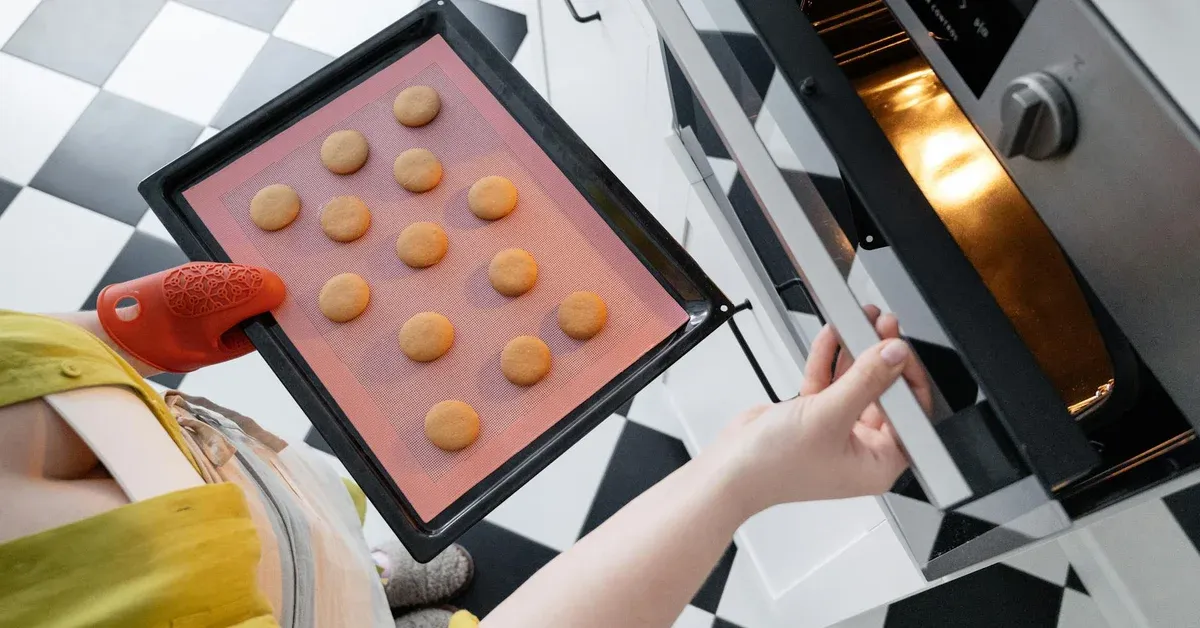
That colorful silicone bakeware in your kitchen might not be as safe as you think. New research shows these popular baking tools release chemicals called cyclic siloxanes into your food and the air when heated. This happens every time you bake, turning what many consider the safest cookware option into an unexpected source of chemical exposure.
What Are These Chemicals?
Cyclic siloxanes are compounds used to make silicone flexible and heat-resistant. For years, people have trusted silicone bakeware as a non-toxic alternative to plastic. But a study in the Journal of Hazardous Materials reveals something different happens when you heat silicone to normal baking temperatures.
The chemicals don’t just stay put. They migrate from your bakeware in two ways: they leak directly into your baked goods, and they evaporate into the air you breathe while cooking. Every time you bake cookies, you might be inhaling tiny amounts of these compounds from your muffin pan.
This isn’t about the usual suspects like BPA or phthalates from plastics. These are different chemicals that most people have never heard of, coming from products we’ve been told are completely safe.
What We Don’t Know Should Worry You
Scientists are still figuring out what long-term exposure to these chemicals means for your health. Unlike clear dangers from lead in imported cookware, the health effects of breathing and eating small amounts of siloxanes over time remain unclear.
Here’s what researchers have found: new silicone bakeware releases the most chemicals during its first few uses, then levels drop off but continue at lower amounts. This suggests you might reduce exposure by “breaking in” new items before using them with food.
The troubling part? Even Health Canada admits their studies on siloxane release “did not examine whether siloxanes are harmful to human health or set a safe exposure limit.” You’re being exposed to these chemicals from everyday kitchen tools, but no one has established what amount is safe.
This pattern feels familiar. Modern conveniences often come with hidden health costs we only discover later, similar to how we’re now finding microplastics in human brain tissue.
How to Protect Yourself
You don’t need to panic, but you can make smarter choices. Consider switching back to traditional materials like glass, ceramic, or cast iron for baking, especially when using high heat. Parchment paper works well when you need something non-stick without direct contact with silicone.
If you want to keep using silicone items you already own, try “pre-washing” new bakeware. Bake it empty at 350-400°F for an hour or two before first use with food. This might burn off some of the most volatile compounds.
When buying new items, look for high-quality, platinum-cured silicone marked as “food-grade” or “medical-grade.” But remember, even these products are now being questioned. As The Environmental Blog points out, “safety isn’t absolute.”
Until we have better health studies and clear safety guidelines, using a variety of materials in your kitchen makes sense. The products we trust today sometimes come with costs we only discover tomorrow.