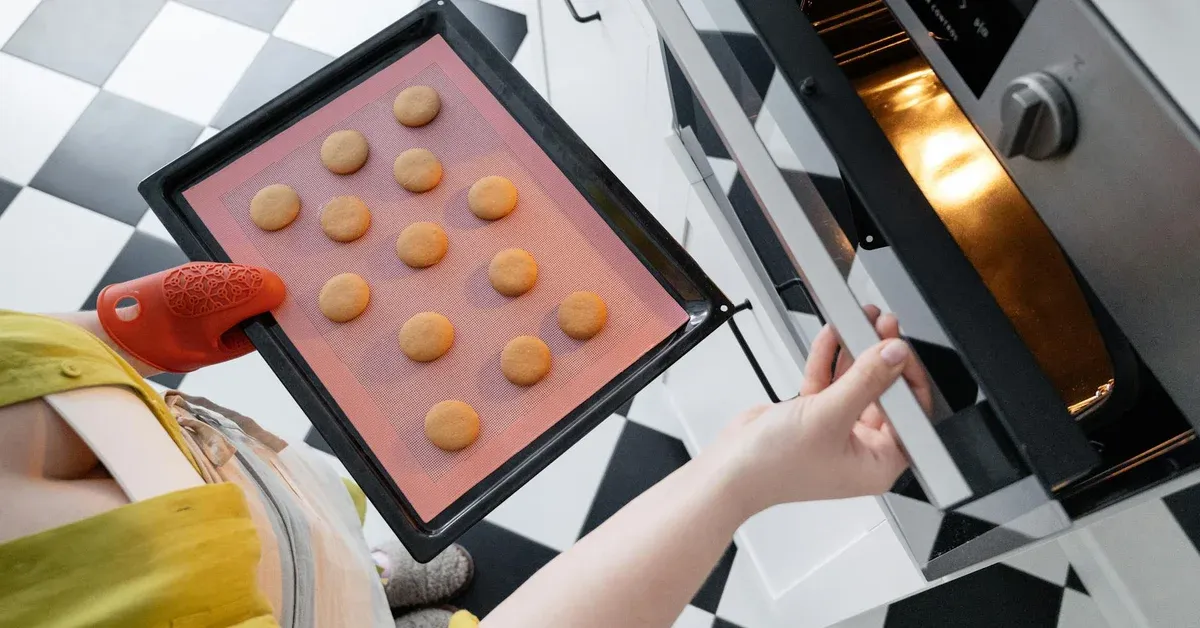
That silicone bakeware you switched to because it seemed safer? It turns out it’s releasing chemicals into your food and the air you breathe. New research shows that those flexible molds and baking mats are a major source of chemical exposure in our kitchens. This isn’t about plastic this time - it’s about the alternative many of us thought was better.
What’s Actually Happening in Your Oven
Silicone has been sold as the perfect kitchen upgrade. It’s flexible, non-stick, and supposedly safe. But recent studies tell a different story. When you heat silicone bakeware, it releases chemicals called cyclic siloxanes - specifically D3 to D6. The worst ones are D4 and D5, which scientists have flagged for health and environmental problems.
These chemicals don’t just stick to your food. They also evaporate into the air. So you’re both eating them and breathing them in every time you bake. A study coming out in the Journal of Hazardous Materials shows both pathways are happening, turning your kitchen into an unexpected source of chemical exposure.
We chose silicone because it seemed convenient and safe. Companies market it as non-reactive. But that “inert” label starts to fall apart when you apply high heat over time. The contamination happening in our ovens challenges everything we’ve been told about silicone safety.
The Health Reality Behind the Marketing
Silicone got popular as the eco-friendly choice - a reusable option instead of single-use plastics. It feels durable and sustainable. But this green image might be hiding a more complicated truth. While silicone may be less harmful to the environment than plastic in some ways, it’s still not biodegradable and requires a lot of energy to produce.
The health effects of constant exposure to cyclic siloxanes, especially D4 and D5, are becoming a real concern. Some studies link these compounds to reproductive problems, and they’re recognized environmental pollutants. Health Canada has published findings about possible toxic exposure to these chemicals from silicone bakeware. Just because something is marketed as an alternative doesn’t mean it’s completely safe.
This isn’t just theory. Scientists are actively measuring how much of these chemicals people are exposed to from consumer silicone products. The data suggests we need to take a harder look at what seemed like an obvious safe choice.
What You Can Do Right Now
If you want to keep using silicone, some experts suggest choosing “platinum silicone,” which is usually higher quality. You could also try washing new items thoroughly and baking them empty at high heat once to release some of the initial chemicals. But these are just damage control, not real solutions.
If you want to avoid the problem entirely, stick with materials that have proven safe over time. Glass, ceramic, and metal bakeware work great, especially with parchment paper for easy release. Cast iron takes more care but offers natural non-stick properties once seasoned and lasts forever. These traditional materials don’t come with hidden chemical risks.
It’s frustrating when something so common and seemingly harmless turns out to have problems, especially for the food we make at home. But when microplastics are literally filling our brains and bodies, being more careful about our kitchen tools makes sense. This chemical leaching from silicone bakeware is just another piece of the puzzle in creating a truly safe home. For the full scientific details, check out the study on ScienceDirect, and for regulatory updates, see reports like those from Health Canada.