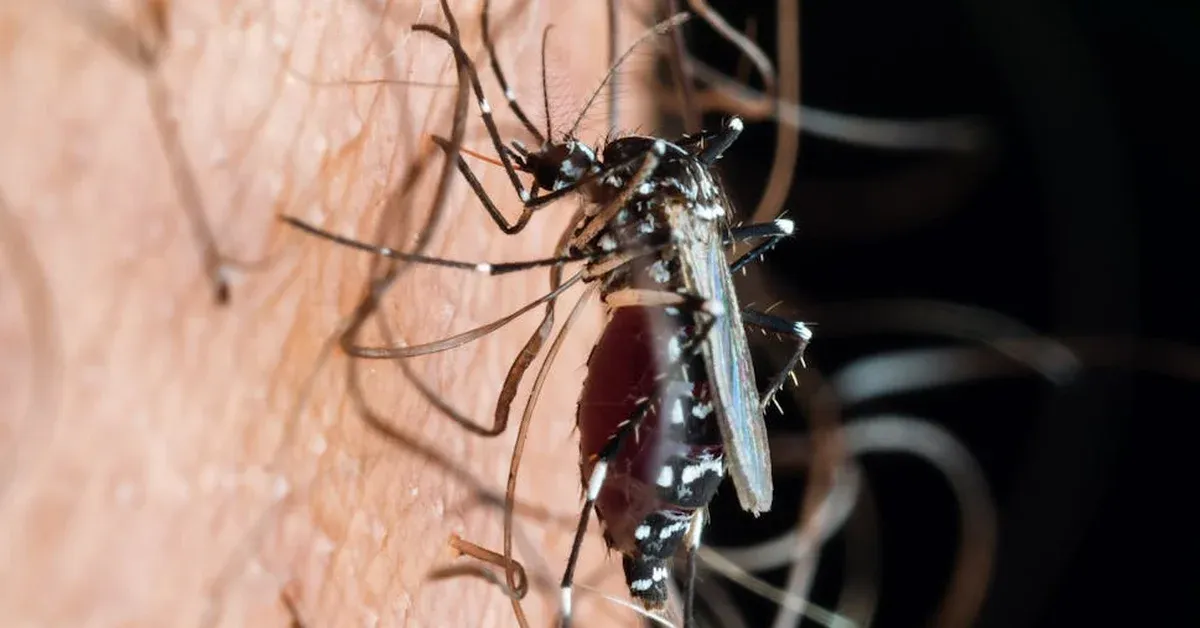
Losing forests does more than destroy wildlife habitats. A new study reveals that as biodiversity drops, mosquitoes are switching their diet to human blood, turning neighborhoods into hotspots for disease. This ecological shift has serious implications for public health worldwide.
When the Food Chain Collapses
Picture this: you’re a mosquito looking for a blood meal, but the birds, amphibians, and small mammals you normally feed on are disappearing. That’s exactly what’s happening in Brazil’s Atlantic Forest. Researchers from the Oswaldo Cruz Institute in Rio de Janeiro found that mosquitoes in shrinking forest areas are abandoning their traditional animal hosts because those animals are simply gone, pushed out by human development.
With fewer wild animals around, these adaptable insects are changing their feeding habits. Their new target? Humans. One species, Cq. Venezuelensis, was found with both amphibian and human blood in its system, showing how flexible mosquitoes become when ecosystems collapse. Researchers identified human blood in most analyzed mosquito samples, a clear sign that we’re becoming their primary food source. When wild animals vanish, we become the next best option.
A Direct Route to Disease
This shift isn’t just interesting biology. It’s a public health crisis in the making. Mosquitoes carry pathogens from one host to another, and when they start feeding primarily on humans, diseases like dengue, malaria, Zika, and yellow fever spread more easily. Normally, a diverse ecosystem provides a dilution effect, spreading pathogens among many different animal hosts and reducing human infection risk. But as animals disappear, that protection vanishes.
The mechanics are straightforward. When a mosquito bites an infected animal and then a human, disease jumps species. Fewer animals mean more direct transmission to people. Every acre of forest lost increases our disease risk, turning local ecological problems into global health threats. It’s similar to how An NC Textile Mill Dumped Toxins Into Water for Years with hidden consequences that only became clear later.
The Feedback Loop We Created
The study, published in Frontiers in Ecology and Evolution, highlights a critical feedback loop: human activity destroys environments, which then harms human health in unexpected ways. We clear land for farms, build cities, and alter climates, decimating animal populations and natural habitats. These actions reshape the behavior of species like mosquitoes that directly affect our wellbeing. Read more about the study here.
Historically, rapid environmental change resembling an industrial revolution has always reshaped species interactions. What’s different now is our ability to trace a direct line from declining bio diversity to increased pathogen transmission. Each habitat destroyed has consequences that literally come back to bite us. As researchers note, understanding mosquito feeding patterns is essential to grasping how diseases move through ecosystems and human populations, a point emphasized by other scientists in ScienceDaily{rel=“nofollow”}.
Why This Matters to Everyone
This mosquito research reveals something larger: the hidden costs of environmental destruction. While climate change and extinction often feel abstract, this study makes the threat personal. It’s not just about saving distant wildlife. It’s about protecting ourselves from preventable diseases. Ecological health and human health are connected in ways we’re only beginning to understand.
The connections run deeper than expected. We’re seeing how farm animals turn microplastic into something worse, creating new threats in our food supply through another form of environmental damage. Even the colored and dark surfaces of public street lights may affect moth and insect behavior in urban areas, though more research is needed.
This research demands a complete rethinking of conservation. Protecting nature isn’t just an ethical choice anymore. It’s a public health necessity that could prevent widespread disease outbreaks. The crisis of disappearing biodiversity is sending a clear warning. We need to start listening before it’s too late.